Tag: Science

  • Why Are Countries Investing So Heavily in Space?

    Why Are Countries Investing So Heavily in Space?

    From weather forecasts and GPS navigation to economic growth and national security, space technology is becoming increasingly important. Here’s why countries around the world are investing billions beyond Earth’s atmosphere.

    khabar365 EXPLAINER DESK

    When most people think of space exploration, they imagine rockets, astronauts and distant planets. But for governments around the world, investing in space is increasingly about life on Earth.

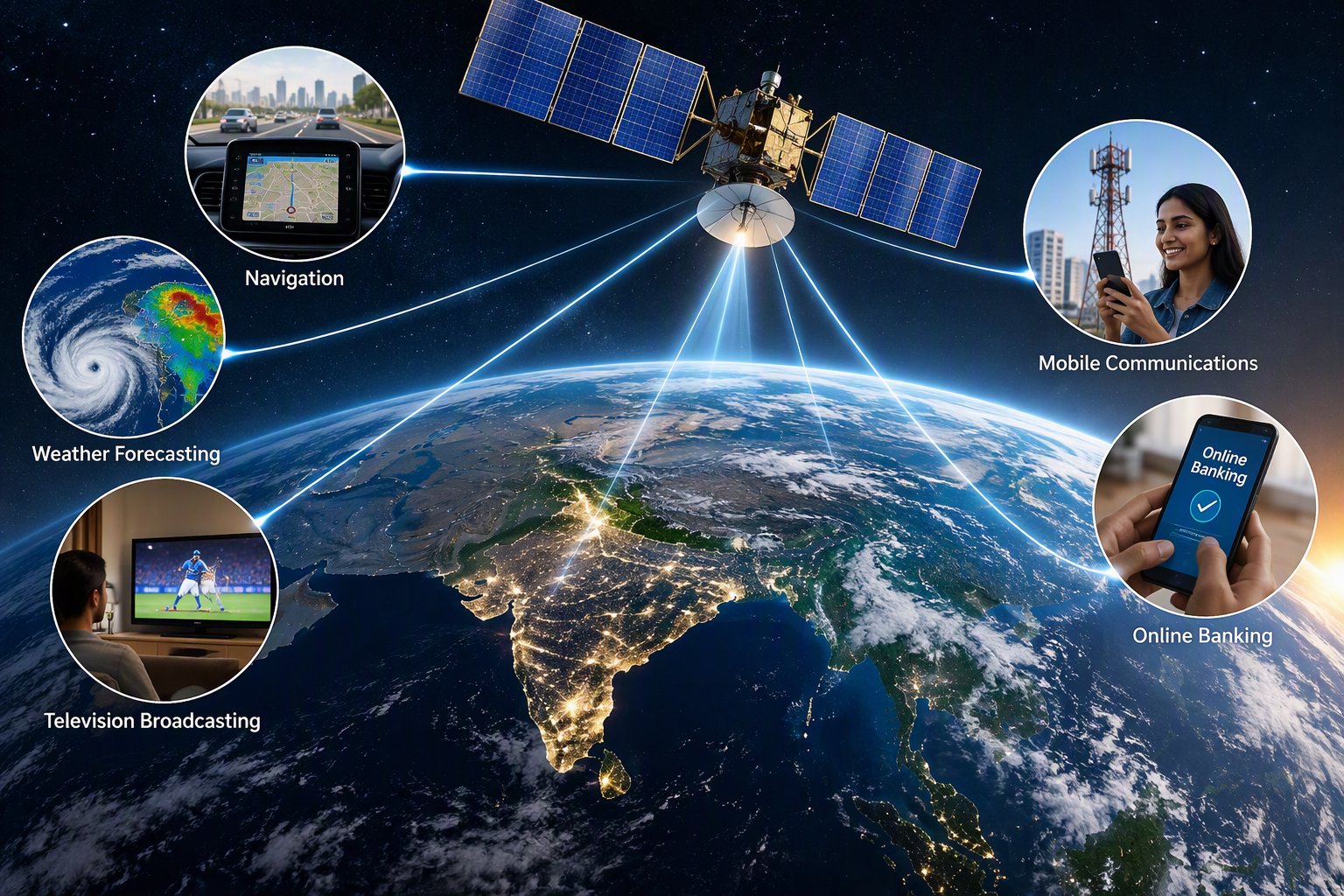
    Today, satellites play a crucial role in everyday activities. From GPS navigation and weather forecasting to television broadcasting, mobile communications and online banking, many essential services depend on space-based infrastructure.

    Space programmes also help countries monitor natural disasters, track climate change, manage agricultural resources and improve national security. Accurate weather forecasts, for example, rely heavily on data collected by satellites orbiting the Earth.

    Another reason for the growing interest is economics. The global space industry is expanding rapidly, creating opportunities in satellite manufacturing, launch services, telecommunications and advanced technology development. Countries see space as a sector capable of generating jobs, attracting investment and driving innovation.

    The emergence of private space companies has further accelerated the race. What was once dominated by governments is now attracting startups and commercial enterprises eager to develop new technologies and services. This has made access to space more affordable and opened new possibilities for scientific research and business.

    India is among the countries strengthening its space capabilities. Through missions to the Moon and Mars, cost-effective satellite launches and ambitious future projects, the country has established itself as an important player in the global space ecosystem. ISRO’s plans to expand launch infrastructure reflect the increasing demand for space-based services and future missions.

    Experts believe that the next decade could see major advances in satellite technology, space-based internet services and deep-space exploration. While journeys to distant planets capture public imagination, the real benefits of space investment are often felt much closer to home.

    In many ways, space is no longer just the final frontier. It is becoming a vital part of modern economies, national development and everyday life.

    365 Takeaway

    Space exploration is not just about reaching the stars. It is about using technology, innovation and knowledge to improve life here on Earth.
  • ISRO Plans Major Expansion, Targets Four Operational Launch Pads by 2029

    ISRO Plans Major Expansion, Targets Four Operational Launch Pads by 2029

    ISRO plans to operate four launch pads by 2029 as India accelerates its space ambitions, strengthens launch capabilities and prepares for a new era of scientific and commercial missions.

    KHABAR365 NEWS NETWORK

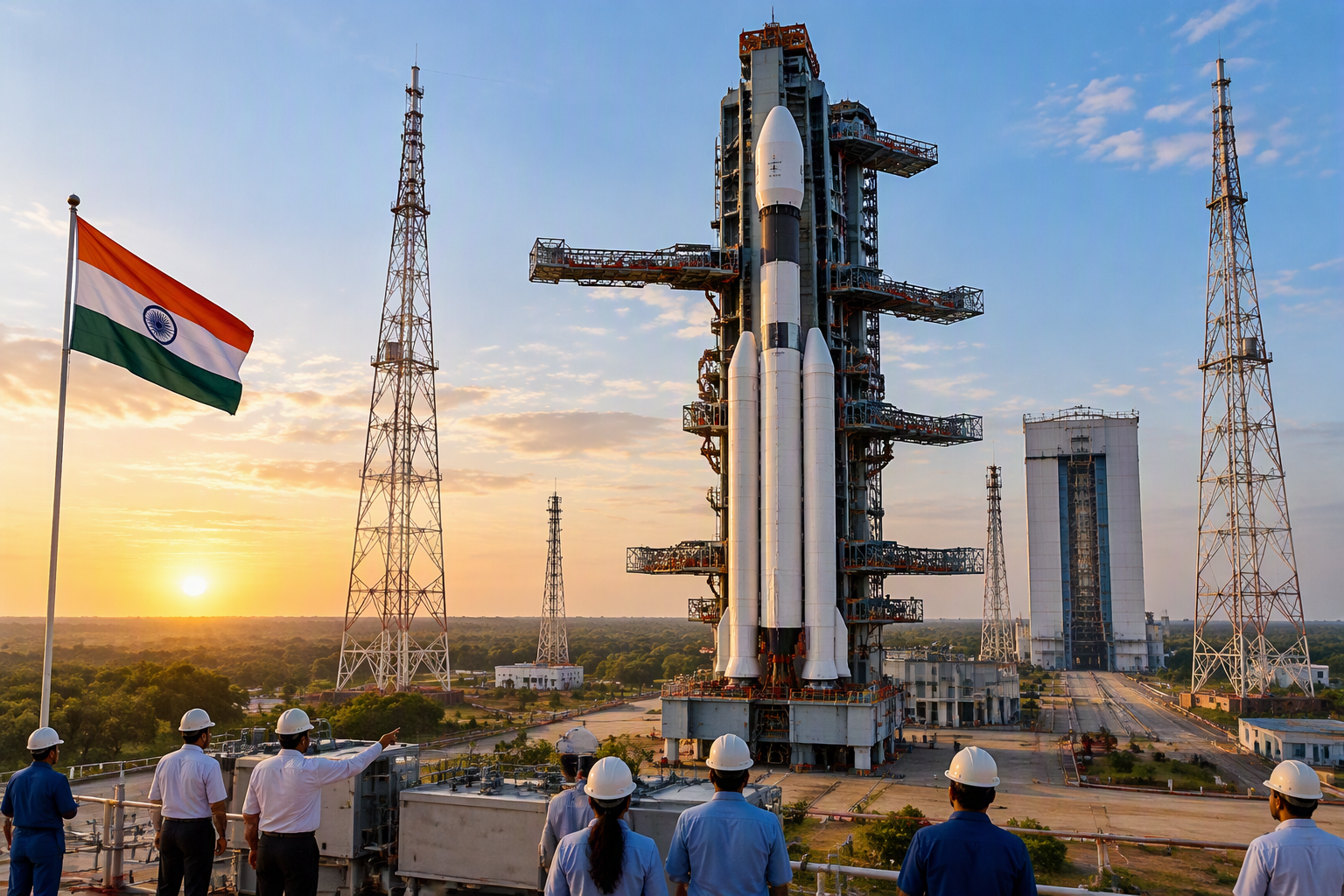
    New Delhi: India’s space ambitions are set to take a major leap forward as the Indian Space Research Organisation (ISRO) plans to have four operational launch pads by 2029, significantly enhancing the country’s satellite launch and space mission capabilities.

    The expansion is aimed at meeting the growing demand for satellite launches, supporting future human spaceflight programmes and strengthening India’s position in the rapidly evolving global space sector.

    The proposed infrastructure will enable ISRO to increase the frequency of launches while providing flexibility for multiple missions. The additional launch facilities are also expected to support upcoming projects involving advanced satellites, deep-space exploration and next-generation launch vehicles.

    India’s space programme has witnessed rapid growth in recent years, earning international recognition for cost-effective missions, commercial launches and scientific achievements. With increasing interest from domestic and international clients, expanding launch infrastructure is viewed as a key step toward meeting future requirements.

    Experts believe the move will not only boost India’s space capabilities but also create opportunities for private space companies, startups and technology partners participating in the country’s growing space ecosystem.

    The expansion comes at a time when India is pursuing ambitious goals, including human spaceflight missions, enhanced satellite services and a larger role in the global space economy.


    365 Takeaway

    Space exploration is no longer just about reaching new frontiers. It is increasingly about innovation, communication, national capability and economic growth. By expanding its launch infrastructure, India is preparing for a bigger role in the space age.

  • From India to the Frontiers of Physics

    From India to the Frontiers of Physics

    KHABAR365 NEWS NETWORK

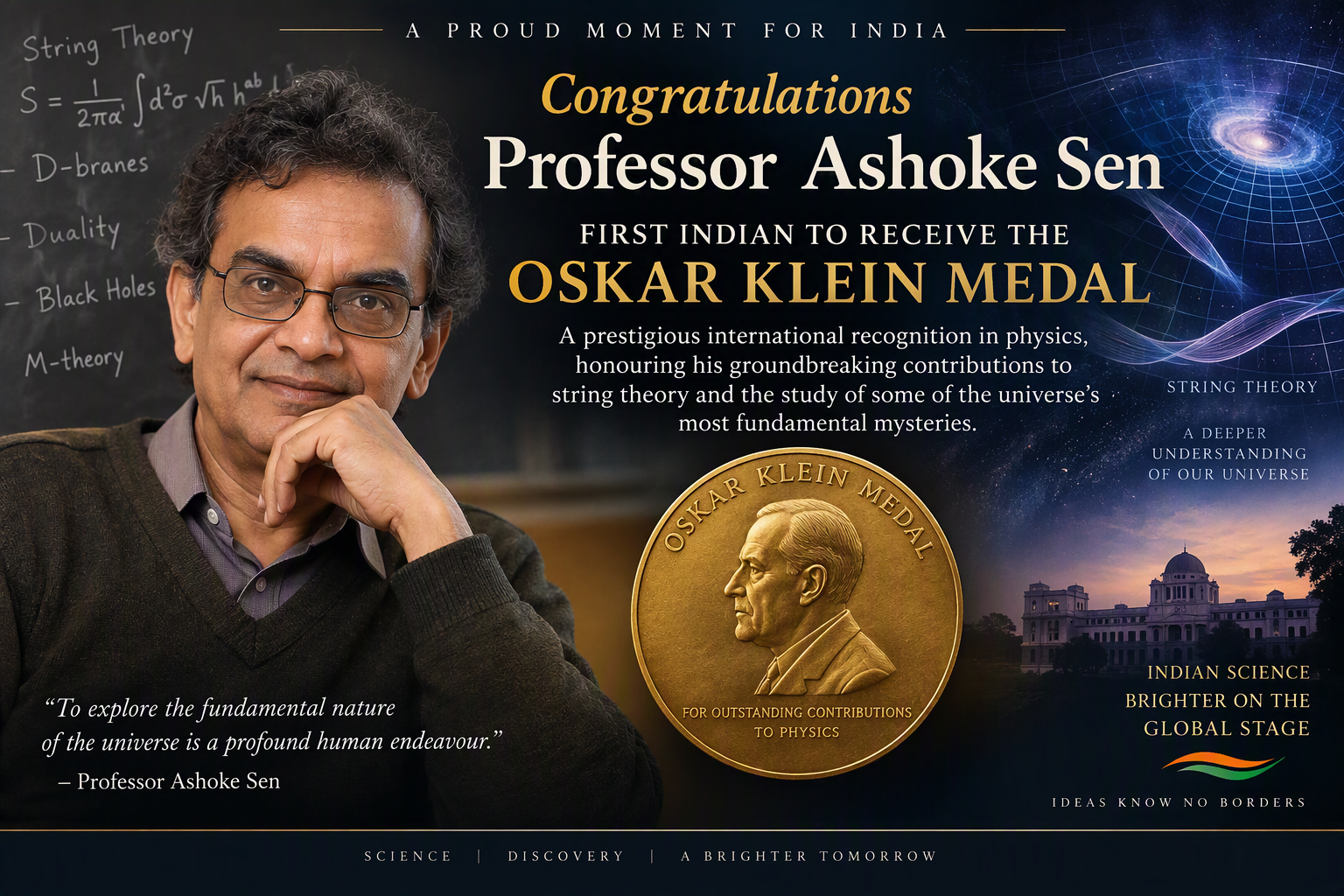
    Indian physicist Ashoke Sen has become the first Indian recipient of the prestigious Oskar Klein Medal, earning global recognition for research that has helped deepen our understanding of the universe.

    When the world’s scientific community honours a researcher, it is not just an individual achievement. It is also recognition of the ecosystem that nurtured excellence.

    Indian theoretical physicist Professor Ashoke Sen has become the first Indian to receive the prestigious Oskar Klein Medal, one of the notable international recognitions in the field of physics. The award celebrates his ground breaking contributions to string theory and the study of some of the universe’s most fundamental mysteries.

    For decades, Sen’s work has influenced how scientists understand concepts such as black holes, gravity and the structure of the cosmos. His latest honour places him among an elite group of physicists whose research has expanded humanity’s understanding of the universe.

    At a time when India is investing heavily in science and innovation, Sen’s achievement serves as a reminder that world-class ideas can emerge from Indian classrooms, laboratories and research institutions.


    365 Takeaway

    Great discoveries do not begin with answers. They begin with questions that others are afraid to ask.


  • India Bets Big on Science, Innovation and AI

    India Bets Big on Science, Innovation and AI

    KHABAR365 NEWS NETWORK

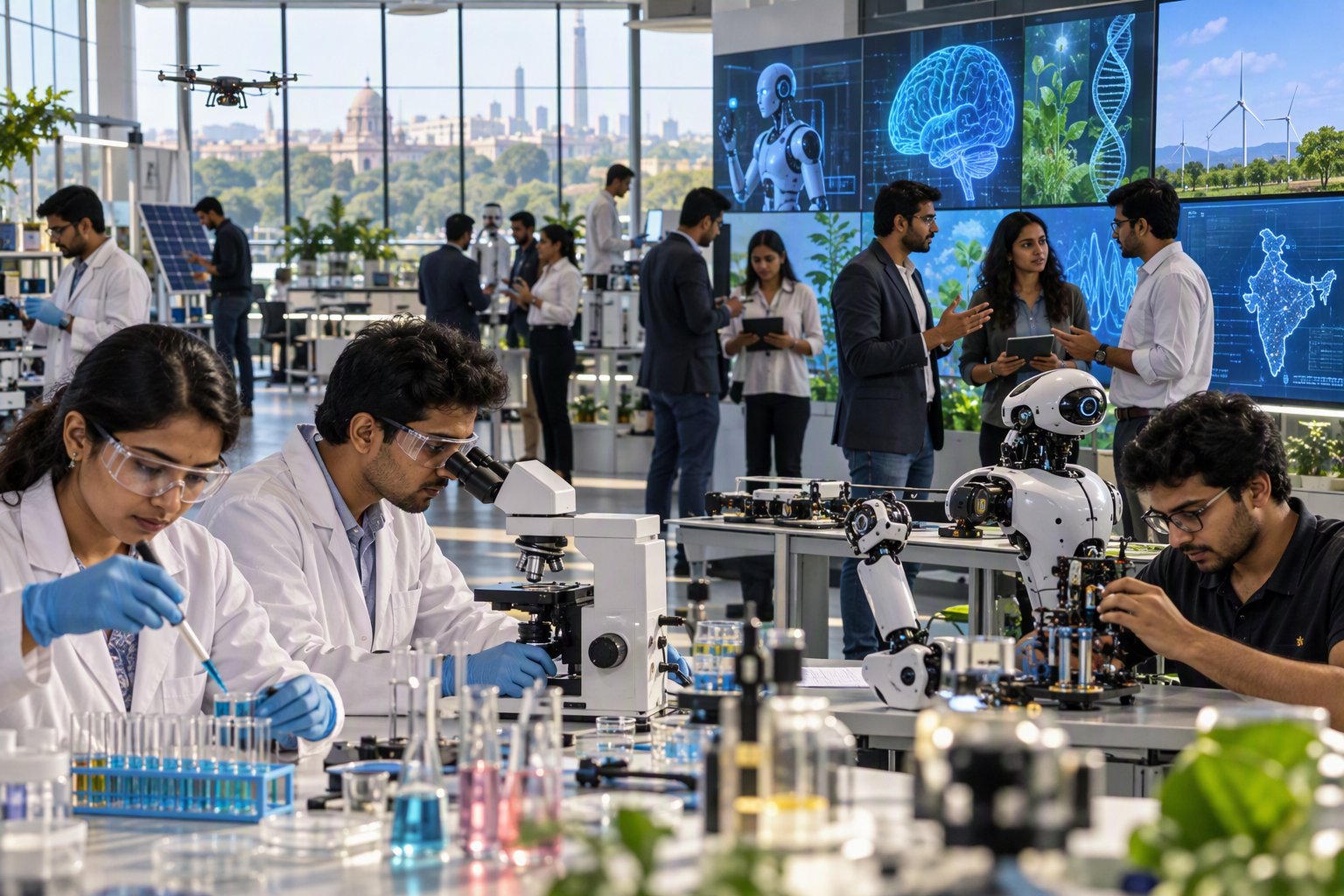
    New Delhi: India’s push to become a global innovation hub is set to gather momentum with the Emerging Science, Technology and Innovation Conclave 2026, to be held from October 27 to 29 at Bharat Mandapam in New Delhi. The event will bring together scientists, researchers, industry leaders, start-ups and policymakers to discuss technologies expected to shape the future.

    The three-day conclave will focus on areas such as artificial intelligence, biotechnology, advanced manufacturing, healthcare, energy and climate science. Around 150 deep-tech startups are expected to showcase innovations with the potential to address real-world challenges and create new economic opportunities.

    The gathering comes at a time when India’s innovation ecosystem is expanding rapidly. According to recent assessments, the country is well placed to benefit from the growing adoption of artificial intelligence, supported by a large pool of technical talent, a strong digital public infrastructure and rising investments in emerging technologies.

    Over the past decade, India has increasingly focused on strengthening research, entrepreneurship and technology-driven development. Initiatives in AI, semiconductors, quantum technologies and digital infrastructure have helped position the country as an emerging force in the global technology landscape.

    Experts believe that sustained investments in science and innovation will be critical in driving productivity, creating high-value jobs and improving public services. Events such as the conclave are expected to encourage collaboration between academia, industry and government while promoting home-grown solutions with global relevance.


    365 Takeaway

    Innovation is no longer confined to laboratories. The technologies being developed today have the potential to improve everyday life, create new opportunities for young people and strengthen India’s position in the knowledge economy of the future.

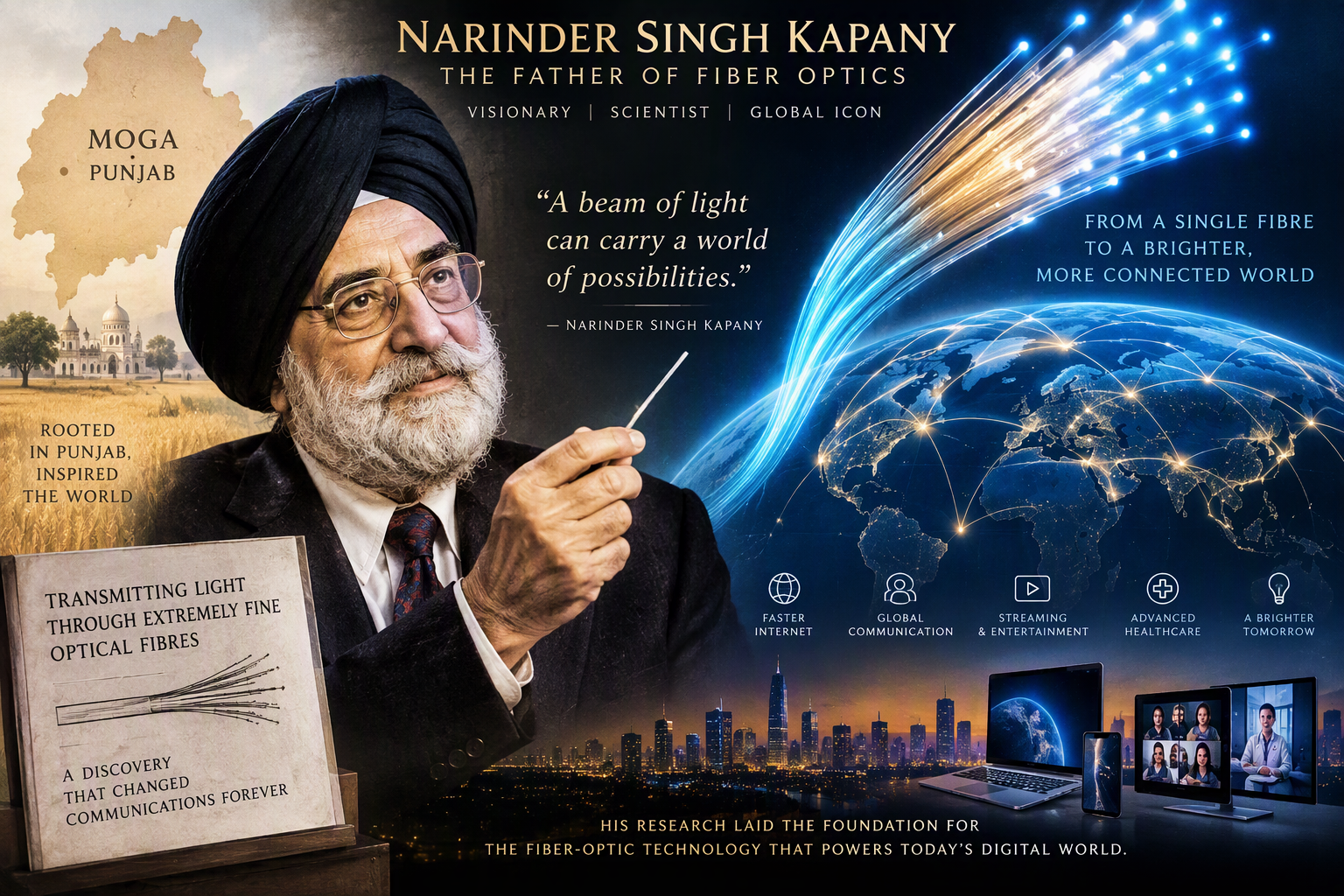
  • Meet Narinder Singh Kapany, the Father of Fiber Optics

    Meet Narinder Singh Kapany, the Father of Fiber Optics

    Without fiber-optic technology, the high-speed internet services that support video conferencing, digital payments, cloud computing and online learning would not exist in their present form. Much of this revolution traces its roots to the pioneering work of Narinder Singh Kapany.

    khabar365 News network

    Prime Minister Narendra Modi’s mention of Narinder Singh Kapany in the latest episode of Mann Ki Baat has renewed interest in the life and achievements of the scientist widely known as the “Father of Fiber Optics.” The Prime Minister paid tribute to Kapany ahead of his 100th birth anniversary on October 31 and urged young people to learn from his remarkable journey.

    Born in Punjab’s Moga district, Narinder Singh Kapany earned global recognition for his pioneering work in transmitting light through extremely fine optical fibres. His research opened new possibilities in the field of communications and laid the foundation for the fiber-optic technology that powers today’s digital world.

    Highlighting Kapany’s contribution, the Prime Minister noted that the modern era of the internet and digital communication would be difficult to imagine without fiber optics. The technology forms the backbone of high-speed internet networks, enabling everything from video calls and online banking to streaming services and global data transmission.

    Often described as one of the most influential yet lesser-known scientists of Indian origin, Kapany’s work transformed a scientific concept into a technology that connects billions of people across the world every day. As the nation prepares to mark his 100th birth anniversary, the tribute in Mann Ki Baat serves as a reminder of the lasting impact of Indian scientific innovation on the modern world.

    365 Takeaway

    Millions use the internet every day, but few know the name of the scientist whose work helped make it possible. Narinder Singh Kapany’s legacy continues to connect the world through beams of light travelling across optical fibers.

error: Content is protected !!